



Functional Extremities Assessment (FEA)
Assess Function. Connect the Findings.
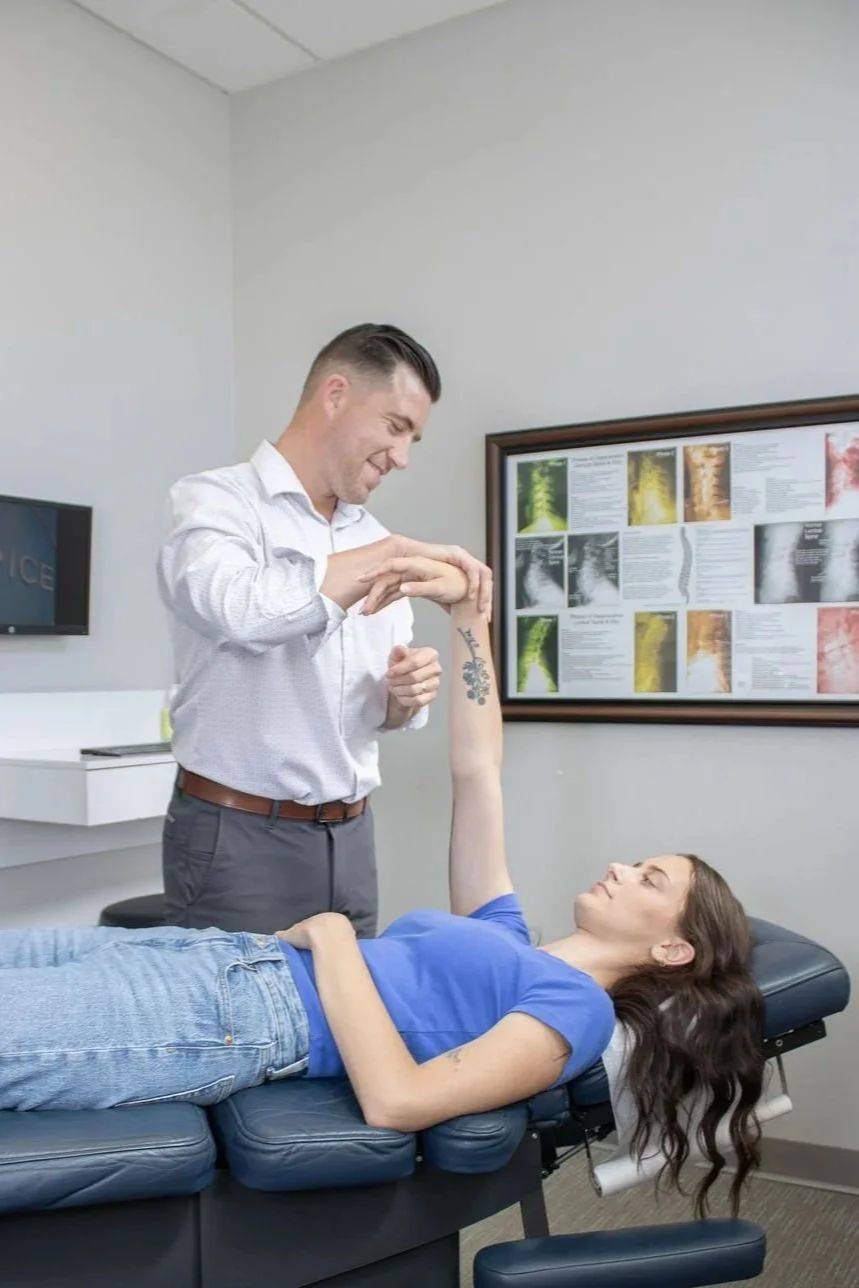
FEA teaches practitioners how to systematically identify and interpret potential functional deficiencies within the extremities, and how to connect those findings to the broader musculoskeletal system.
For chiropractors, physical therapists, osteopathic practitioners, and every qualified musculoskeletal professional who wants a clearer functional picture.
Why FEA
The Painful Region Doesn’t Always Tell the Whole Story.
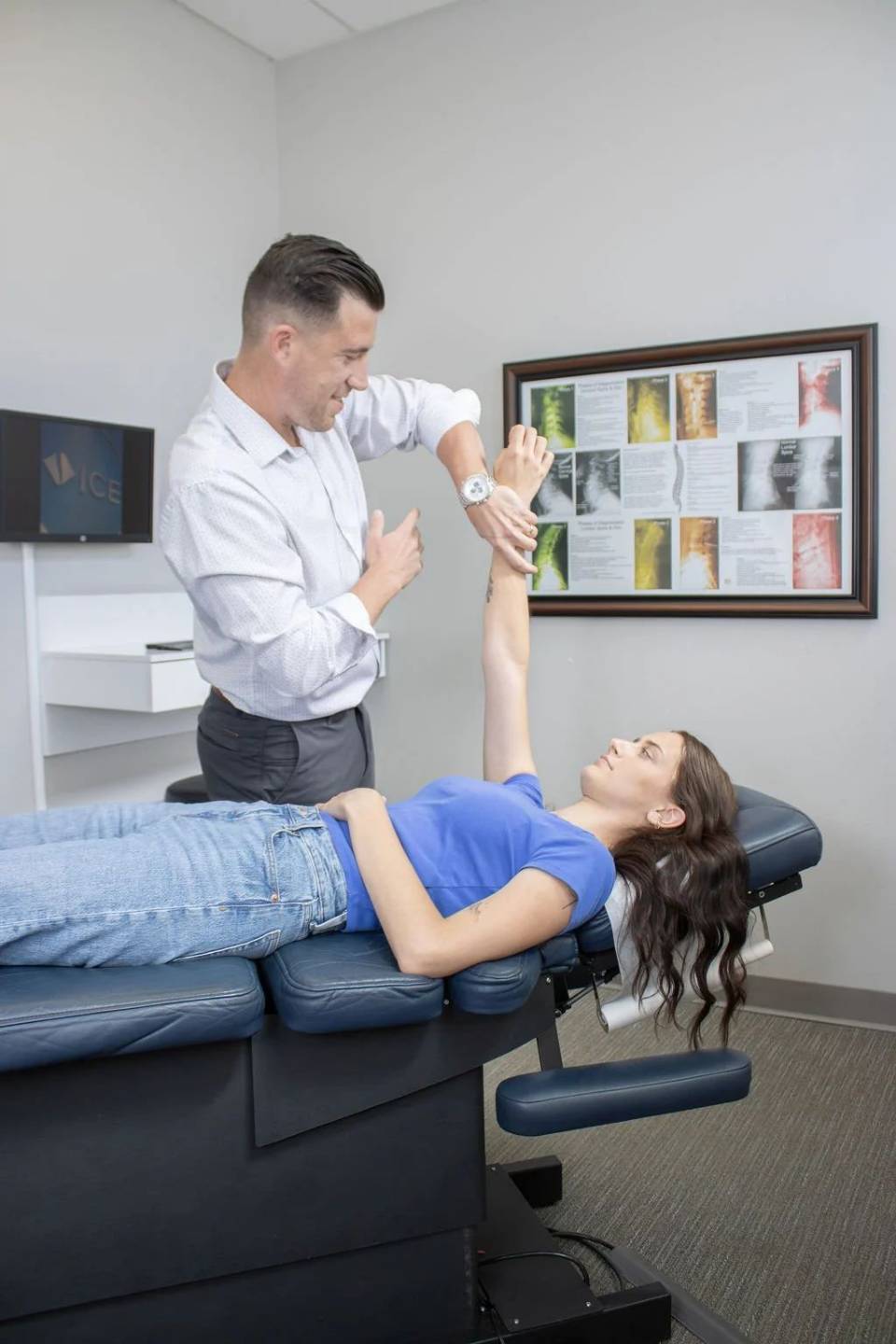
The symptomatic region does not always explain the full functional presentation. FEA gives clinicians a structured way to look beyond it.
A functional weak link in one region may change how another region loads, stabilizes or compensates. FEA provides a repeatable framework for finding those relationships and incorporating functional extremity assessment into the examination you already perform.
“It’s a manual muscle test. It’s not an energy test.”
The Concept
Not a Collection of Isolated Tests.
FEA organizes joint-specific assessments into repeatable regional flows. In the lower extremity, the hip serves as the home-base reference. In the upper extremity, the glenohumeral region does. Each region is then read in relation to the whole body.
 Hip
 Knee
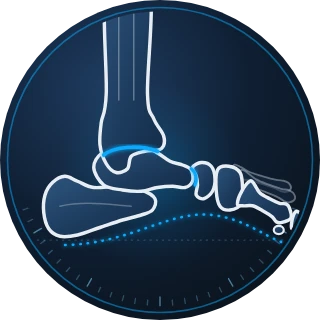 Ankle & Foot
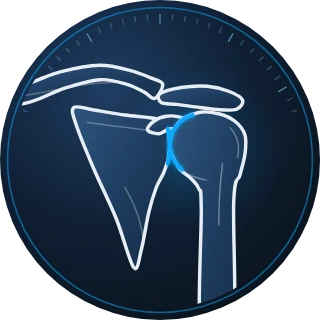 Shoulder
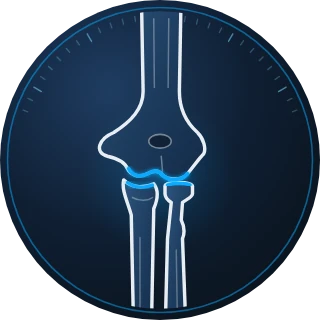 Elbow
 Wrist & Hand
The Clinical Value
What a Functional Lens Adds to Your Exam.
Consistent Reference Points
Home-base assessments give every extremity a stable point of comparison, so findings can be compared from one visit to the next.
Connected Findings
Regional findings are read together, helping you recognize potential functional weak links that might otherwise be overlooked.
Clearer Clinical Reasoning
Findings you can repeat, compare and document, giving you a clearer basis for the next clinical decision.
The Spine as the Foundation
Connected to the Exam You Already Use.
The spine is an important structural and neurologic foundation within the musculoskeletal system. FEA explains, conceptually, how spinal, neurologic and proximal influences can affect extremity performance and the way a finding is interpreted.
FEA builds on your existing spinal, orthopedic and neurologic knowledge, adding a more complete functional evaluation of the extremities.
Scope
Focused on Assessment, Interpretation and Clinical Reasoning.
- Focused on assessment: a systematic way to find and connect functional findings across the body.
- Designed to work alongside the care you already provide, whatever your discipline.
- Built to fit inside your existing musculoskeletal examination.
- Findings that inform your clinical reasoning, your treatment decisions and your documentation.
A manual muscle test may provide clinically useful information, but it does not independently establish a specific structural lesion, neurologic diagnosis, or cause of symptoms. Use your findings within your scope of practice and alongside your full clinical examination.
The Outcome
A More Complete Functional Picture of Every Patient.
FEA helps clinicians look past the symptomatic region, recognize compensation and connect regional findings into one clear picture. When you are ready to take those findings into clinical application, the FE Method builds on the same functional system.
FAQ
Frequently Asked Questions
Who can use FEA?
Chiropractors, physical therapists, osteopathic practitioners, and other qualified musculoskeletal professionals. FEA is built to sharpen the examination you already perform, within your scope of practice.
What does FEA focus on?
Assessment, interpretation and clinical reasoning. It gives you a systematic way to find and connect functional findings, which then inform the care you already provide.
Is FEA a diagnostic course?
No. A manual muscle test may provide clinically useful information, but it does not independently establish a structural lesion, neurologic diagnosis or cause of symptoms. Findings are read alongside your history, examination and clinical judgment.
What is a home-base assessment?
A regional reference assessment. The hip serves as the home-base reference in the lower extremity and the glenohumeral region in the upper extremity, giving you consistent points of comparison as you evaluate additional regions.
Where can I see exactly what’s included?
On the Programs page: the full curriculum, the joints covered, the lesson format, enrollment and the FE Method upgrade option.
FEA · Functional Extremities Assessment
See Everything FEA Includes.
The curriculum, the joints covered, how you’ll learn and how to enroll, all in one place. FEA is in development, and the interest list hears first when enrollment opens.
Functional Extremities provides education for licensed healthcare professionals. Apply what you learn within your scope of practice and the regulations where you practice. Course content is not a substitute for clinical judgment, diagnosis or referral.